

“There are six things which the Lord hates, yes, seven which are an abomination to Him: haughty eyes, a lying tongue, and hands that shed innocent blood…” (Proverbs 6:16-17)
Yahweh’s Portraits
Note: this is part two in a series of essays examining the issue of abortion biblically. For part one, click here.
“Let there be light.” If creation is likened to a symphonic composition, then these words are the grandest of overtures. The earth is shapeless chaos, all “welter and waste,” as Robert Alter translates it, darkness is spread over the primeval deep and then—God. With one utterance of his voice comes a burst of a quintillion rays of light, a sudden flare of brilliance that forever cleaves darkness from its totality and omnipresence. The One that was there in the beginning because he precedes it has just set in motion the nascent universe. He is just getting started.
The sky is torn asunder from the waters with another word from his mouth. The roiling seas are bounded and stone and dirt and sand stretch out over the face of the planet. Green spreads like wildfire, forests and meadows and jungles and swamps sprouting up, space is jeweled with stars and swirling planets, the seas are filled with rainbowed coral and swimming life, the clouds wander slow as avian creatures flit, pinwheel and swoop beneath their white-domed bodies, and the earth teems with the skittering and slithering of creeping creatures, the stalk of paws and the prance of hooves—this panoply of life marching on through the progression of endless day and night in the slow turn of the earth.
And then—the culmination. The long-anticipated crescendo of string and brass and cymbal. The final set of slashes from the conductor’s wand. The stroke before the artist puts down the brush and the writer his pen. All this unfathomable display of power has been buildup, all this marvelous glory-work the swell and rise of the symphony toward the climax before the Almighty rests from his labor. In all this dazzling display of life and creative genius, God still has one last crowning masterpiece to make. On the sixth day, his voice rings out:
26 “Let Us make man in Our image, according to Our likeness; and let them rule over the fish of the sea and over the birds of the sky and over the cattle and over all the earth, and over every creeping thing that creeps on the earth.”
(Genesis 1:26)*
As stated at the conclusion in part one of this series, in creating mankind, God as the master artist has fashioned billions of unique portraits of himself. As created beings, humans display the glory of God in a special way. Every other created thing brings glory to God as the Creator by testifying of his power and genius. The blooming desert rose, the shimmering aurora borealis, the enormity and grace of the blue whale, the spine of Himalayan mountains across Asia—all point to a creator powerful and wise. Humans are different. We too testify of God’s power like the rest of creation, but we also image him. We bear resemblance to God himself. Here we tread on great mysteries too wonderful for us to fully comprehend. To say too little or too much about this is to risk blasphemy. Though we are but dust, in our nature is something inescapably divine that testifies: God—God is like this.
The mind cannot fully understand the stature God has given to mankind. In a sense, God has staked the reputation of his beauty on us.1 Imagine, if you would, meeting someone whose beauty you so absolutely adore, you are compelled with great urgency and emotional force to show the whole world how marvelous they are, and the only way you get to do that is by drawing a portrait of them. So much would depend on getting that portrait right. It would have to capture and clearly show the beauties of that person in such a way that the observer is immediately drawn in by what he or she sees and would testify with their own lips that the person in the portrait is beautiful, the beauty being self-evident. In a way, that is what God did with us. He chose humanity to bear his image to the rest of creation and to one another.
Through the fall, this imaging has been tarnished—but not destroyed. It is like a painting at the Louvre that has been attacked with dark ink by a vandal; the fullness of what it was is gone, but amid the inkblots, sections of its brilliance and beauty still shine through. God’s image is still borne by every human being who strides across the stage of existence.
Imago Dei & Iustitia
In Genesis 9, God makes a covenant with Noah and his descendants where this image-bearing reality of humanity is again noted. God says:
3“Every moving thing that is alive shall be food for you; I give all to you, as I gave the green plant. 4Only you shall not eat flesh with its life, that is, its blood. 5Surely I will require your lifeblood; from every beast I will require it. And from every man, from every man’s brother I will require the life of man. 6“Whoever sheds man’s blood, by man his blood shall be shed, for in the image of God He made man.”
(Genesis 9:3-6)
Here we see God separating mankind from the rest of creation. God tells Noah and his descendants they may shed the blood of any creature they want and eat it, just so long as they do not ingest its blood since the life of the animal resides in it. But the blood of another man? Noah and his descendants cannot shed that, because man bears God’s image. Animals are governed by one set of rules, humans by another; one bears the image of God and the other does not2. In this passage, a principle of justice is established that whenever a human shed’s another person’s blood, that man or woman must also have their blood shed. Whoever commits murder must themselves be killed. Again, notice the reason God gives for why shedding human blood is wrong: “For in the image of God He made man.”
The image-bearing nature of humanity is one of the fundamental tenets necessary to having a just society. As Genesis 9 reveals to us, any true understanding of justice cannot be separated from this reality theologians refer to as the imago Dei. This is true with the injustice of abortion and with bloodshed in general. Before we can begin to fathom how truly grievous the mistreatment of man is, we must grasp what he is. Throughout the ages, the individual man and woman has been treated as everything from an expendable creature whose loss of life or deprivation of liberties is of no consequence or tragedy—a cog in the machine, a nameless grunt in a king’s war—to something worthy of deification. We have viewed one another as both ants and gods. In our current cultural milieu, we have paradoxically adopted the view of man as nothing more than a highly evolved animal while at the same time heaping a largesse of self-importance upon ourselves, with our generation’s unbridled narcissism the subject of many dismayed sociologists and psychologists. As many philosophers and thinkers have noted, we have bestowed ourselves with a dignity that demands fair treatment and respect for human rights, while simultaneously unfettering ourselves from the ontological realities that justify it (the existence of God). Sooner or later our moral and logical incoherence is going to crack. We will either return to more solid moorings or embrace the terrifying conclusions of our atheistic logic.
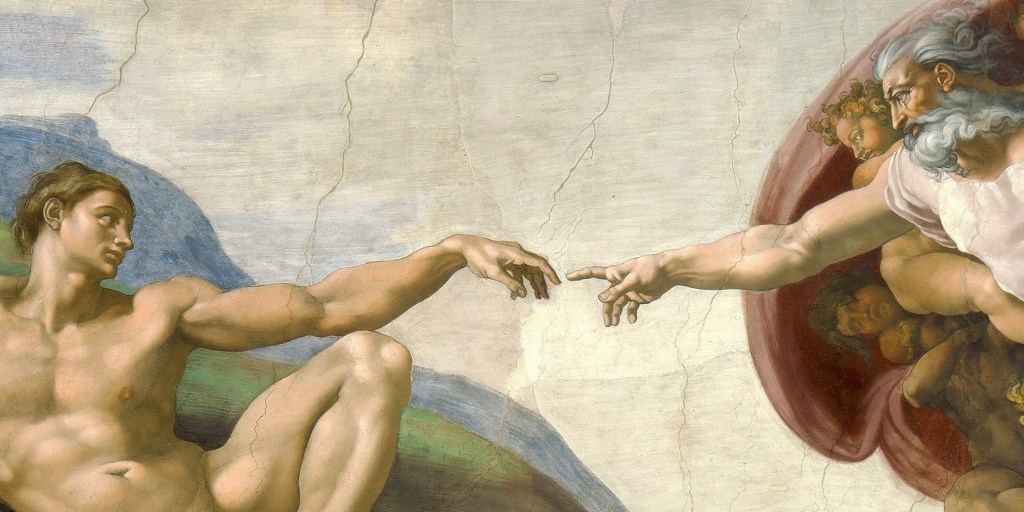
Man is neither God nor ant. Our worth and value are great but they are not self-derived. What we are is completely bound up in what we have been created to be by the Creator. He has chosen us to bear his image, and since he is the most beautiful being in all of existence, the purpose of humanity is to reflect and emanate God’s glory; we are to be the clearest picture of what God is—outside of God himself. What then, could be more heinous than to kill such beings? As we noted last time, to assert the right to take portraits of God and destroy them is to embody the nemesis of beauty itself.
In any culture, the outrage directed at the destruction of any given thing is commensurate with the value of the thing destroyed. A driver distracted by his phone is given little or no umbrage for running over a squirrel; he is vilified if it causes him not to see the toddler running after the stray ball in the road. We barely notice the crude graffiti sprayed on the walls of the underpass, yet we would be incensed were we to find it defacing the city’s statue of MLK or sprayed across the ceiling of the Sistine Chapel. How great, then, should our outrage be when one of God’s image-bearers is destroyed? If creation is a symphony, then to kill another human being is to bring in a hundred chalkboards and rake them with fingernails at the climax.
All true justice is God-centered. True justice is not firstly man getting what he deserves or is owed, it is God getting what he is owed as God. We see this reality manifest within the words of Genesis 9 where God is in effect telling humanity: “When you shed another human being’s blood without cause you are not treating me rightly, because a human bears my image, and by killing him or her you dishonor me.” At its heart, the murder of another human is a glory-of-God issue, not a glory-of-man issue. The concept of the imago Dei becomes twisted in all sorts of ways when the dignity and value of a human being is separated from a greater emphasis on the reality from which human dignity derives from and is contingent upon: God’s glory and his surpassing worthiness. Indeed, far too many people acknowledge man’s image-bearing qualities in a decidedly anthropocentric manner. In doing so, they run the risk of committing the grave sin outlined in Romans 1 of exchanging, “the glory of the incorruptible God for an image in the form of corruptible man,” and worshipping and serving, “the creature rather than the Creator, who is blessed forever” and as such stand under the wrath of God (Romans 1:18-25). The fundamental flaw of so many of the justice movements today—which prevent them from being authentic pursuits of justice—is the man-centered nature of their endeavors. The pursuit of true justice starts from the recognition of God’s glory, and has as its end this recognition restored. As we explore more deeply the sin of bloodshed, we must keep this besmirching of God’s glory front and center.
Bloodshed & Bloodguilt
We can summarize the principle of justice outlined in Genesis 9 as follows: bloodshed brings bloodguilt, and bloodguilt can only be atoned for by bloodshed. This is the best way to sum up what is meant when God says, “whoever sheds man’s blood, by man his blood shall be shed.” As we shall see, this principle is reaffirmed many times throughout the scriptures.
It is worth noting before delving further that not all forms of human bloodshed are sins that incur bloodguilt. This is evident within the principle of justice concerning bloodshed itself, since to bring justice for shedding a man’s blood a man’s blood must also be shed; and were this prohibition absolute, those who undertook the execution of justice would themselves be guilty, trapping all humanity in a circular prison of guilt with those who did not execute justice guilty of not rendering it, and those that did finding themselves guilty of an injustice of their own. But as we are told in Romans 13, civil authorities wield the power of the sword and do so as, “servants of God.” War does not necessarily bring bloodguilt, nor do legitimate cases of self-defense or accidents, and God himself sets up cities of refuge where those who have killed human life in such instances may escape from those who in the heat of vengeance would want to retaliate in kind ( see Exodus 21:12-14, Deuteronomy 19:1-13 and Numbers 35:6-28).
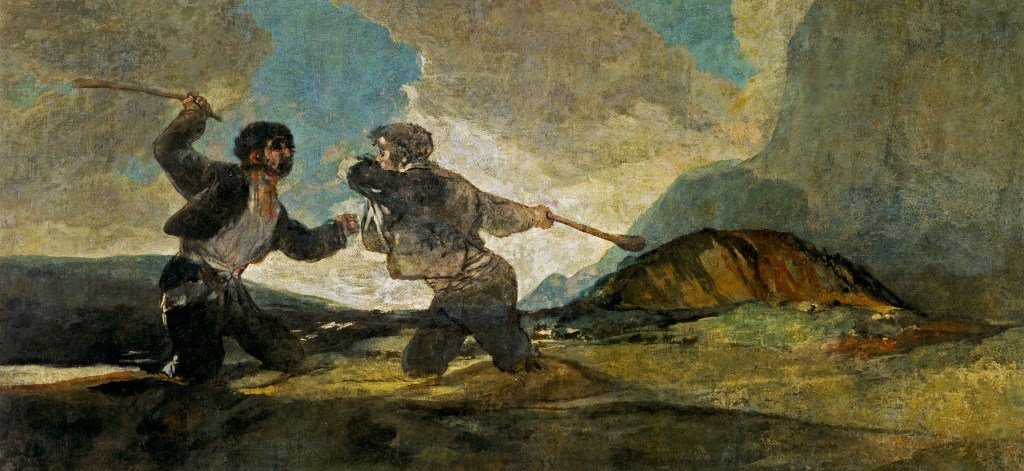
Broadly speaking, the sin of bloodshed is committed in two ways. The first, is through active and intentional participation. It is the breaking of the sixth commandment in Exodus 20:13 that says, “You shall not murder.” It is committed by those who “act presumptuously toward his neighbor, so as to kill him craftily” (Exodus 21:14), and by those who push another in hatred or strike them down in enmity (Numbers 35:21), and by those who conspire and aid those who do it (Proverbs 1:10-16).
The second way is through acts of negligence. In Exodus 21, the law states: “If an ox gores a man or a woman to death, the ox shall surely be stoned and its flesh shall not be eaten; but the owner of the ox shall go unpunished. If, however, an ox was previously in the habit of goring and its owner has been warned, yet he does not confine it and it kills a man or a woman, the ox shall be stoned and its owner also shall be put to death.” (Exodus 21:28). In Deuteronomy 22:8, God says, “When you build a new house, you shall make a parapet for your roof, so that you will not bring bloodguilt on your house if anyone falls from it.”
Inaction is itself an action, and scriptures like these show us that certain types of inactivity can be wicked. When our recklessness leads to death, or we fail to take reasonable precautions to protect our fellow men, God holds us guilty for the loss of life. Like the crime of murder, this type of bloodguilt brings punishment in a modern society. A drunk driver who had no intention of killing anyone is still held liable for the death of the one they struck, and a daycare provider who leaves a loaded firearm within reach of a child will go to jail if that firearm is handled and discharged. Their lack of intention to kill does not absolve them from the bloodguilt; rather, bloodguilt is brought upon them from their utter lack of responsibility and sheer negligence. By leaving people blatantly in harm’s way, they are held responsible as the ones who inflicted the harm. For wrongfully causing the death of beings that bear his image, God requires the ultimate penalty from them in return. That bloodguilt is something incurred both by active and passive actions, is critical to a biblical understanding of justice and anyone seeking righteousness for themselves and their society.
The thirty-fifth chapter of Numbers contains several keys necessary for us to know the nature of bloodguilt and how to properly deal with bloodshed. It reads:
30 “‘If anyone kills a person, the murderer shall be put to death at the evidence of witnesses, but no person shall be put to death on the testimony of one witness. 31 Moreover, you shall not take ransom for the life of a murderer who is guilty of death, but he shall surely be put to death. 32 You shall not take ransom for him who has fled to his city of refuge, that he may return to live in the land before the death of the priest. 33 So you shall not pollute the land in which you are; for blood pollutes the land and no expiation can be made for the land for the blood that is shed on it, except by the blood of him who shed it. 34 You shall not defile the land in which you live, in the midst of which I dwell; for I the Lord am dwelling in the midst of the sons of Israel.’”
(Numbers 35:30-34)
The principle set forth in Genesis 9 is here reaffirmed: bloodshed brings bloodguilt, and bloodguilt can only be atoned for by bloodshed; with the word “only” being emphasized here. God makes clear that the Israelites are not allowed to use an alternative punishment for the sin of bloodshed. A ransom, no matter how costly, will not suffice; only the shed blood of the perpetrator will do. This is how serious killing another human being is to God.
We also learn that murder pollutes the land the blood was shed on. In other words, the sin of bloodshed does not just have a spiritually corrosive effect on the individual who is guilty of it—it affects the entire nation in which the sin was committed. Bloodshed is a communal affair. It does not just effect the victim by the loss of their life, and the murderer by the warping of their soul, and by the grief and loss brought to those who knew and loved the victim; it extends outwards into the whole community and beyond to the entire nation. When there is no proper expiation for the crime, the land and the people in it become defiled.
One thing that must not escape our notice are the two ways a nation can be polluted by blood. The first way, of course, is by those who shed the blood. But blood pollution also comes by those who allow the shedding of innocent blood to go unmet with justice. In verses 31-33, God tells the Israelites that if they do not bring the murderer to justice, they are polluting the land with blood even though they themselves have not killed anyone; by failing to execute justice, they have in effect joined with that man or woman in polluting the land and have brought bloodguilt upon themselves.
Here again, we see the dual nature of the sin of bloodshed. It is slightly different in this scenario, but the essence is the same. One part of bloodguilt comes from doing something, the other part comes from neglecting to do something. Both bring the sin of bloodshed upon a people and pollute the land.
The Doom of Defilement
A spiritually defiled land certainly does not sound like the most pleasant of realities, but just how dire are the consequences of a land that has been polluted by blood? In Leviticus 18, the terrifying answer is given to us.
20 You shall not have intercourse with your neighbor’s wife, to be defiled with her. 21 You shall not give any of your offspring to offer them to Molech, nor shall you profane the name of your God; I am the Lord. 22 You shall not lie with a male as one lies with a female; it is an abomination. 23 Also you shall not have intercourse with any animal to be defiled with it, nor shall any woman stand before an animal to mate with it; it is a perversion. 24 ‘Do not defile yourselves by any of these things; for by all these the nations which I am casting out before you have become defiled. 25 For the land has become defiled, therefore I have brought its punishment upon it, so the land has spewed out its inhabitants. 26 But as for you, you are to keep My statutes and My judgments and shall not do any of these abominations, neither the native, nor the alien who sojourns among you 27 (for the men of the land who have been before you have done all these abominations, and the land has become defiled); 28 so that the land will not spew you out, should you defile it, as it has spewed out the nation which has been before you
(Leviticus 18:20-28).
As they are readying themselves to enter the promise land, God informs the Israelites that the current inhabitants they are about to conquer have been given over to judgment because of all the abominations they have committed; God warns Israel that the same fate will befall them if they practice those things. Because of those abominations, the land of the Canaanites, Hivites, Jebusites etc. became defiled, and forced God as the one who is the arbiter of justice to bring punishment upon them. The land “spewed” out these gentile nations, and we are later told what that spewing looked like: “In the cities of these peoples that the Lord your God is giving you as an inheritance, you shall not leave alive anything that breathes” (Deut. 20:16). “Thus Joshua struck all the land, the hill country and the Negev and the lowland and the slopes and all their kings. He left no survivor, but he utterly destroyed all who breathed, just as the Lord, the God of Israel, had commanded” (Josh. 10:40).
What were these abominations that led to such a ruthless and terrifying destruction? The whole eighteenth chapter of Leviticus (including the verses preceding the section we have read from) is basically one long list of various sins of sexual immorality and perversion. Then, right in the midst of this litany of sexual sins we are told in verse 21, “You shall not give any of your offspring to offer them to Molech.” Alongside gross sexual immorality, we are told that the abomination of child sacrifice—the murdering of children—is what brought a “spewing” from the land.
Unfortunately, the Israelites failed to heed God’s warning. In Psalm 106 we are told concerning the nation:
34 They did not destroy the peoples,
As the Lord commanded them,
35 But they mingled with the nations
And learned their practices,
36 And served their idols,
Which became a snare to them.
37 They even sacrificed their sons and their daughters to the demons,
38 And shed innocent blood,
The blood of their sons and their daughters,
Whom they sacrificed to the idols of Canaan;
And the land was polluted with the blood.
39 Thus they became unclean in their practices,
And played the harlot in their deeds.
(Psalm 106:34-39)
What God described in Numbers 35 became a reality: the land became polluted with innocent blood. And the victims were not adults but the most helpless and defenseless among them—their children. The land was polluted with the blood of infants3. What happens next should not come as a surprise.
40 Therefore the anger of the Lord was kindled against His people
And He abhorred His inheritance.
41 Then He gave them into the hand of the nations,
And those who hated them ruled over them.
42 Their enemies also oppressed them,
And they were subdued under their power.
(Psalm 106:40-42).
When a nation pollutes itself with innocent blood, it is only a matter of time before grave and unspeakable calamities are brought down upon it. This is the reality that God sets forth in his holy word. He is a God of justice and his word cannot be broken—he will be true to it. For any Christian that would seek the welfare of the nation in which he or she resides, keeping the land free from the pollution of innocent blood should be a top priority. To claim otherwise is to engage in folly and lose one’s saltiness (Matthew 5:13). God’s glory must remain the highest priority in seeking justice, but the horrifying consequences of a nation polluted by bloodguilt provide a potent motivator for its pursuit.
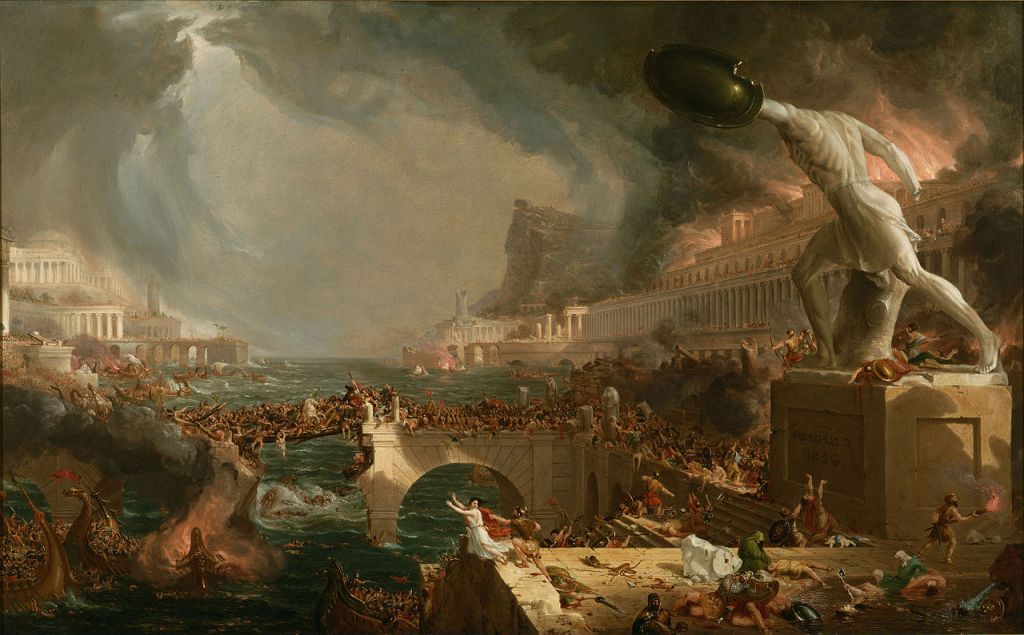
American Bloodguilt
When we look at our nation today and ask ourselves how our land is being polluted by blood, it is indisputable what is bringing bloodguilt on our nation more than anything else: the murdering of our unborn children. Abortion is the defining justice issue of our time. There is nothing that comes even close in comparison.
To illustrate this, let us look at some recent figures of bloodshed in our nation. According to the FBI, in 2017, the United States had around 17,284 murders4. These murders are those defined in our nation as the killing of innocent human beings born and living outside of the womb; they do not reflect lives still in gestation. We must note that our society will actively seek justice for this type of killing—we will strive to find out who committed the crime, arrest them, and have them prosecuted and punished. Of these seventeen thousand plus murders, around sixty-one percent were solved; cleared by arrests or other means5. While that is good news, it also means that thirty-nine percent remained unsolved. Justice may have been sought, but it was not able to be accomplished. And sadly, there were probably unreported killings in which no justice was sought at all. Is it safe to say, then, that there is some bloodguilt on our nation through “murder” as our nation legally defines it? Sure. There is probably some.
But now, let us look at the murder of unborn children. In that same year of 2017, according to the Guttmacher Institute, a pro-choice organization, there were approximately 862,320 abortions6. Let that staggering number of unborn children murdered in a single year sink in. Close to one million babies slaughtered and no justice brought for their deaths. There could be no justice, because those murders were legal, and in many homes across America those murders were celebrated; they were defended and lauded under a false notion of female empowerment and autonomy. Seventeen thousand cases of bloodshed where at least an attempt at expiation of the crime was made, versus the slaughter of nearly nine hundred thousand lives where no expiation was attempted—let the reader do the math and tremble.
To understand the gravity of the bloodguilt that is in the United States, one must wrap their minds around more than just the staggering number of babies murdered every year, as outrageous as it is. What makes the issue of abortion so unique and so abominable, and an injustice set above every other injustice in our nation is the principle set forth in Numbers 35: a nation is polluted with blood not just by those who do the killing, but also by those who fail to bring justice for the ones whose blood has been shed.
So the abortionist who performs the procedure and the woman who receives the procedure bring blood pollution to our nation; but so does the woman who stands up and says, “I have three kids and I have never had an abortion but I support my fellow woman’s right to choose.” So does the man who says, “I have never pressured my wife or my girlfriend to get an abortion but I support a woman’s right to do what she wants with her body.” God looks at all of them and says, “all of you have polluted the land with innocent blood.”
Do we see the multiplying effect of this? Abortion spreads the pollution of blood over a nation like nothing else. Every year there are hundreds of thousands of murdered children, and if that was not abominable enough, every year there are tens of millions of Americans indifferent to their murder, or else celebrating and fighting for the right to murder them. There is nothing else that even comes close to this. What other form of bloodshed is legal in our country? What other form of bloodshed exists where no justice is sought, but is rather defended and proudly lauded?
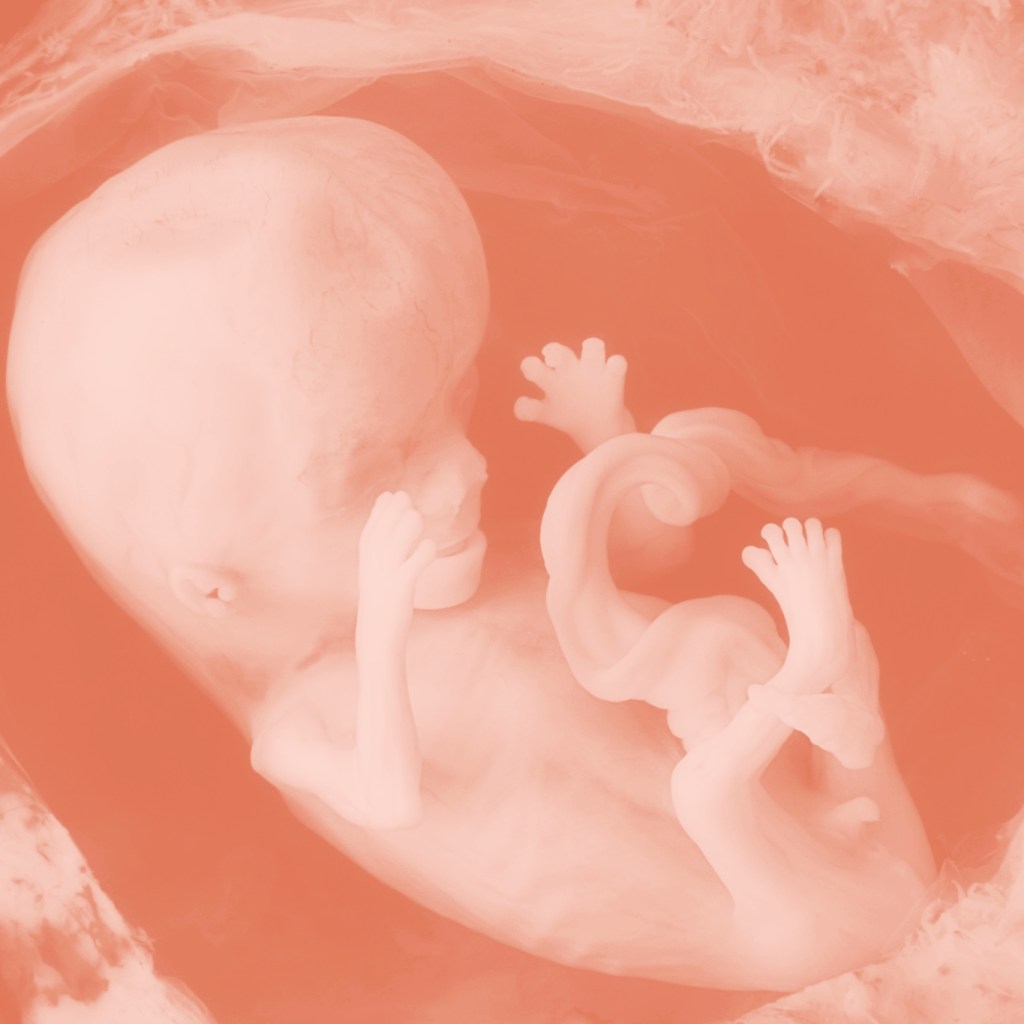
Much of the Church’s indifference to abortion springs from this failure to understand bloodguilt and how it spreads in a society. People believe their hands are clean because they themselves have not shed blood. They do not understand that failing to pursue justice for bloodshed brings bloodguilt as well. Many impassioned voices have risen in recent years to speak out against unjust police killings, and while the cultural narrative around this issue is a topic of great controversy, it must be unequivocally stated that where legitimately unjust shootings have indeed taken place, the pursuit of justice is a good and necessary thing. Black or white, young or old, the killing of an innocent human being who bears the imago Dei is a deeply evil action and an assault against God himself. But for anyone who tries to speak out on the issue of shedding innocent blood or any other injustice in America and yet is silent, or even worse, supportive of abortion, there is only one thing to be said of them: innocent blood is on their hands. They themselves have polluted the land with blood. They are not seekers of justice, but purveyors of its antithesis.
Rendezvousing with Wrath
Abortion drenches the land with innocent blood and we know what happens to a nation polluted by bloodguilt: judgment. Calamities too fearful to even imagine will be foisted upon them. Therefore I have brought its punishment upon it so that the land has spewed out its inhabitants. Bloodshed causes bloodguilt. And what is the only way to cleanse the land? Shed the blood of those performed and those who tolerated bloodshed.
Of the Almighty Judge, Psalm 9:12 says, “For He who requires blood remembers them; He does not forget the cry of the afflicted.” Remember what God tells Cain in Genesis 4? “The voice of your brother’s blood is crying to Me from the ground.” Shed blood does not just speak—it yells. It makes a scene. And God notices. God hears the cry of the unborn and will avenge them. He will exact it by spilling the blood of those laden with the guilt of their spilt blood. For a God whose execution of justice is perfect, blood is not optional; it is a requirement. That should terrify all of us.
Make no mistake: the judgments of God are coming to America. They are coming not only for the abortions we have committed, but also for our failure to seek and render justice for each of those abortions. We have tolerated bloodshed. We have celebrated bloodshed. We have supported and allowed bloodshed to continue. That is a sure and certain recipe for doom.
2nd Kings 24:3-4 informs us that God sent different nations against the nation of Judah to destroy it, “because of the sins of Manasseh, according to all that he had done, and also for the innocent blood which he shed, for he filled Jerusalem with innocent blood; and the Lord would not forgive.” In some ways, it would seem too late to rectify this problem. We have gone too far and too long on a path of destruction. The soil of our nation is soaked with more innocent blood than nearly every other nation in the history of humanity. It would appear that the ship cannot turn around without striking the ice. While the mercy of God is as vast as the sea, so is his commitment to justice (Psalm 36:6).
Yet time remains. Utter ruin has not come upon us yet. It would be arrogant to think our nation will emerge from our persistent abominations unscathed with no blow of recompense dealt to us. But in swiftly turning from evil and by vigorously pursuing justice, we may receive far less calamity than we deserve and even become recipients of a measure of mercy that is tremendous. We are, by virtue of God’s patience, already swimming in it. Though he burns daily with a righteous indignation we can scarcely fathom (Psalm 7:11), he is slow to act on it (2 Peter 3:9). He restrains himself and waits in the hope we might turn to him. God promises that, “as for the wickedness of the wicked, he will not stumble because of it in the day when he turns from his wickedness,” and that, “none of his sins that he has committed will be remembered against him” (Ezekiel 33:12,16). God’s heart to pardon is truly incredible, but we must not trifle with it; lest we find ourselves spoken of like Manasseh’s Jerusalem—it was filled with innocent blood, “and the Lord would not forgive.”
If there is to be any hope of mercy for our nation, the Church, as always, must lead the way in positioning ourselves to receive it. Regardless of whether mercy will be granted us, as God’s people, we should be zealous for justice to be accomplished in our land. The innocent blood of those who bear God’s image should not fall apart from the unified cry of outrage and steadfast intervention of the Church. With the weight of bloodguilt our nation carries, how do we as God’s people respond? That is the urgent subject we shall undertake to explain next.

Notes
1 Not in fullness or exaction of course. Mere man could never fully display God’s glory. Only one man has ever done so and he, unlike other men, was also fully God. Concerning Christ, Hebrews tells us: “He is the radiance of His glory and the exact representation of His nature” (Hebrews 1:3) and Paul says that, “in Him all the fullness of Deity dwells in bodily form” (Colossians 2:9). Christ as both fully man and fully God alone perfectly fulfills this call to image God. Remarkably though, a day will come when having seen Him perfectly (what theologians term the “Beatific Vision”), all of Christ’s followers will be transformed into his likeness and finally fulfill humanity’s call to image God in the fullness of what he intended.
2 It is worth noting that while there is nothing wrong with the vegetarian or vegan lifestyle for reasons of health and diet, as a moral conviction it is morally suspect, precisely because taken as a conviction, it will have the effect of blurring the bright line God himself has drawn between the animal kingdom and humanity. Moral Veganism and Vegetarianism bestow an unbiblical type of dignity upon animals that diminishes the uniqueness of humanity by insisting that animal lives be respected in the same way as human lives. Such diminishment slights God himself, whose image humans bear. In matters of life it is paramount that we do not blur the line between beast and man; Genesis 9 may give us the freedom of diet, but it forbids equivocation.
3 As Psalm 106:37 shows us, the murdering of infants is part of the regimen of demon worship. Little wonder; something so gross and insidious could only be demonically inspired. It is with great astonishment, then, that a Christian could be found indifferent and even supportive of abortion. To those who are, we must lovingly but firmly characterize their support of abortion for what is: demonic. That such a characterization may be deemed offensive is completely extraneous to the truth. To support abortion is little different than entering a church and attempting to lead the congregants in a hymn dedicated to Satan.
4 https://ucr.fbi.gov/crime-in-the-u.s/2017/crime-in-the-u.s.-2017/tables/table-1
5 https://ucr.fbi.gov/crime-in-the-u.s/2017/crime-in-the-u.s.-2017/topic-pages/clearances
6 https://www.guttmacher.org/report/abortion-incidence-service-availability-us-2017#
*Unless noted, all scripture quotations taken from the NASB. Copyright by The Lockman Foundation.
 Paths of Righteousness